Camilla Degerth is an ICF-certified (PCC & ACTC) leadership and team coach who helps organizations navigate change with confidence. Her approach is distinctive: she invites Earth as a stakeholderin team conversations and weaves nature-based experiences into her coaching work. She works with teams across the globe to build trust, foster resilience, and unlock shared purpose one step at a time. Her philosophy is grounded in a simple truth: when teams choose to see opportunity in change, their creativity and systemic thinking are liberated.
"Creating Positive Change, One Step at a Time" Your tagline captures something important about pace and incremental progress. When teams face major (organizational) changes, they often feel paralyzed by the enormity of it all. How do you help them identify and focus on the next step instead?
Great question, especially in current times when everything around us is spinning so fast. This is where connecting with nature can be really helpful. We are invited to shift our perception and awareness. Considering and comparing the life cycle of a tree and a dandelion for example, what can we learn from that? How are they different and yet the same? What can they teach us? By stepping away from our offices and desks to shift our thinking and notice where we need to start. Letting go of the sometimes overwhelming task at hand to focus on the first step.
You emphasize creating spaces for curiosity, courage, and compassion during times of uncertainty. What's the shift you're looking for in a team that tells you the coaching is working?
The most important sign that coaching is working is when the team interacts and totally forgets about me. The most critical thing for co-creation is trust, and when this is present the conversation flows naturally. Members ask those critical questions, help each other and express what they need to be at their best. This can involve strong emotions but that is healthy, they need to be expressed.
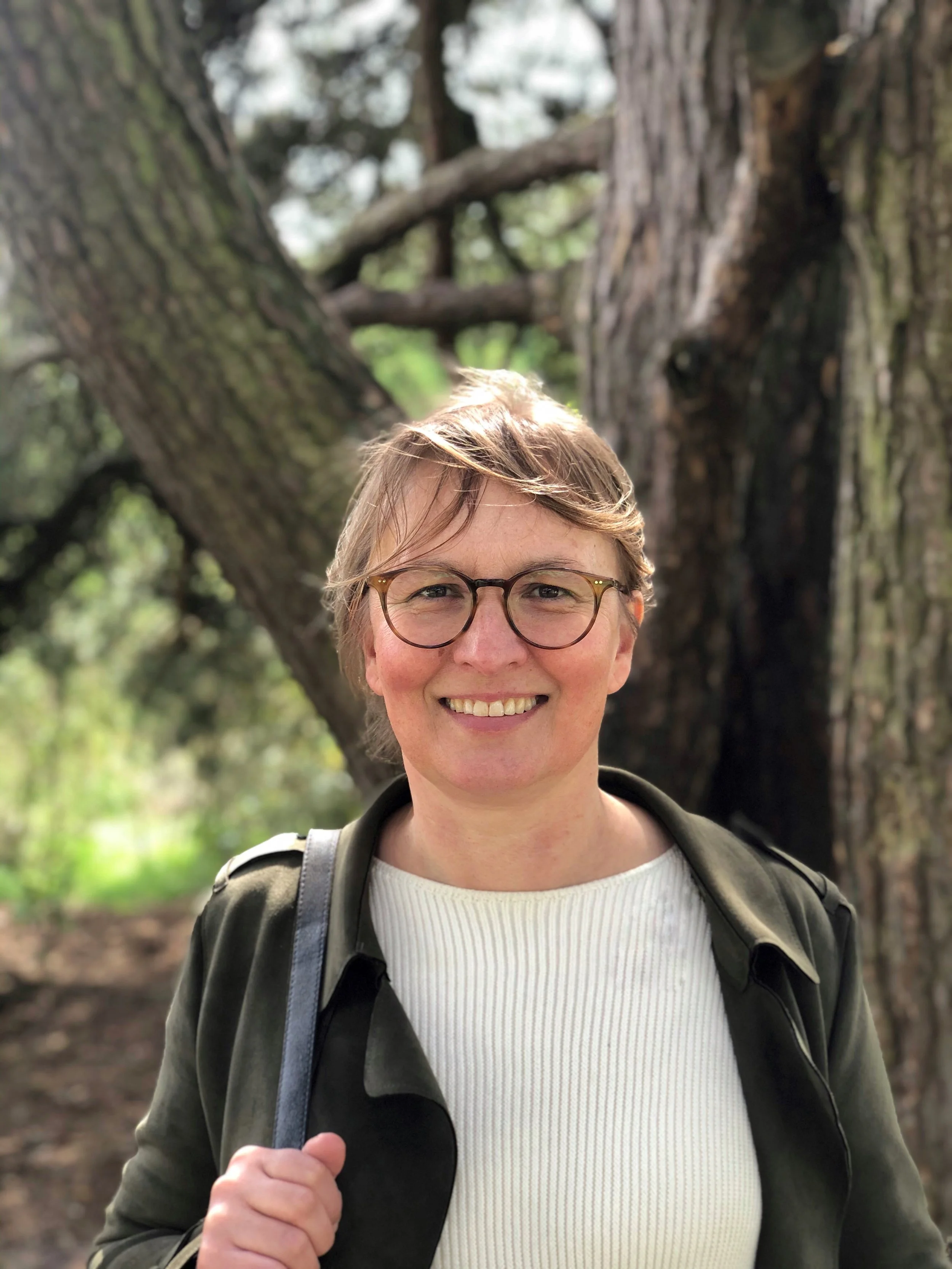
"Diversity in a team is a strength when we understand how to build trust." What are the most common trust-breaking patterns you observe in teams, and how do you help them rebuild?
I'll be frank, politeness is one of the trust-breaking patterns. Too often we accept what others say out of politeness even if we don't agree, sometimes even when we are hurt by the words. Being brave to challenge respectfully is sometimes more trust building than being polite. When we are polite instead of sharing what we believe to be true or how we feel it means that we don't trust the other person to understand our point of view, but we are actually also breaking the trust by not speaking up. I say this with the assumption that all participants are equal in the conversation and able to communicate freely which is critical for coaching to work.
To build collaboration we need to trust each other, even when it requires discomfort to get there. Obviously trust is not “built” in a day and behaviour's don't change overnight, it's a journey the team goes on together one step at a time by keeping each other accountable and celebrating the progress.
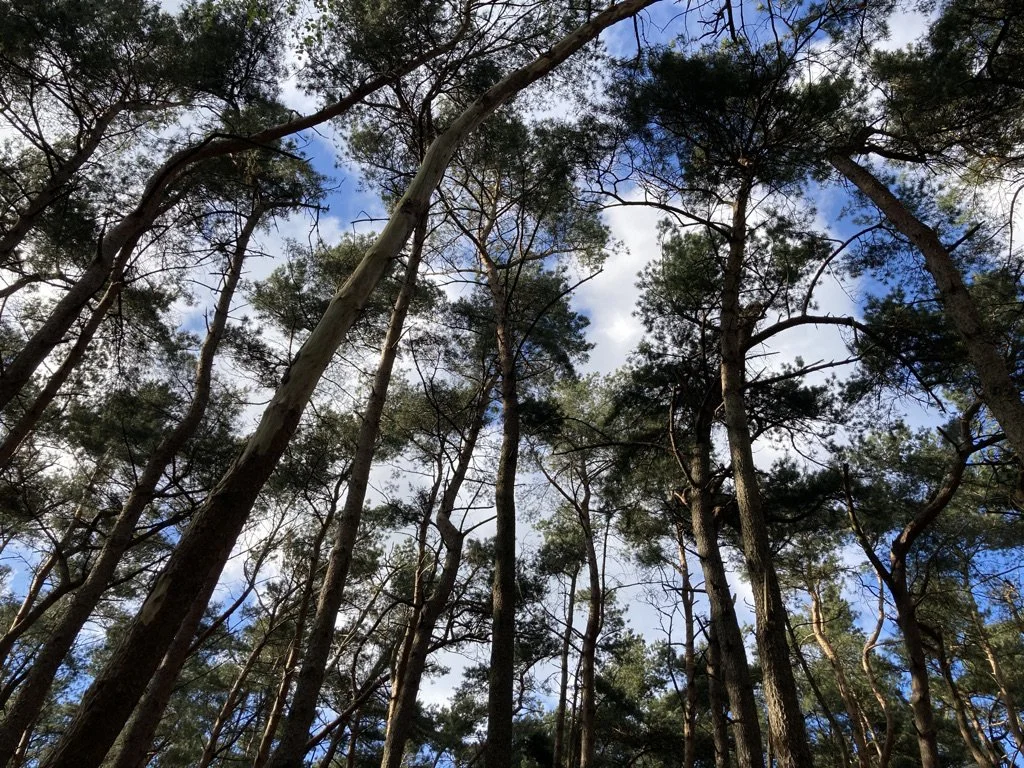
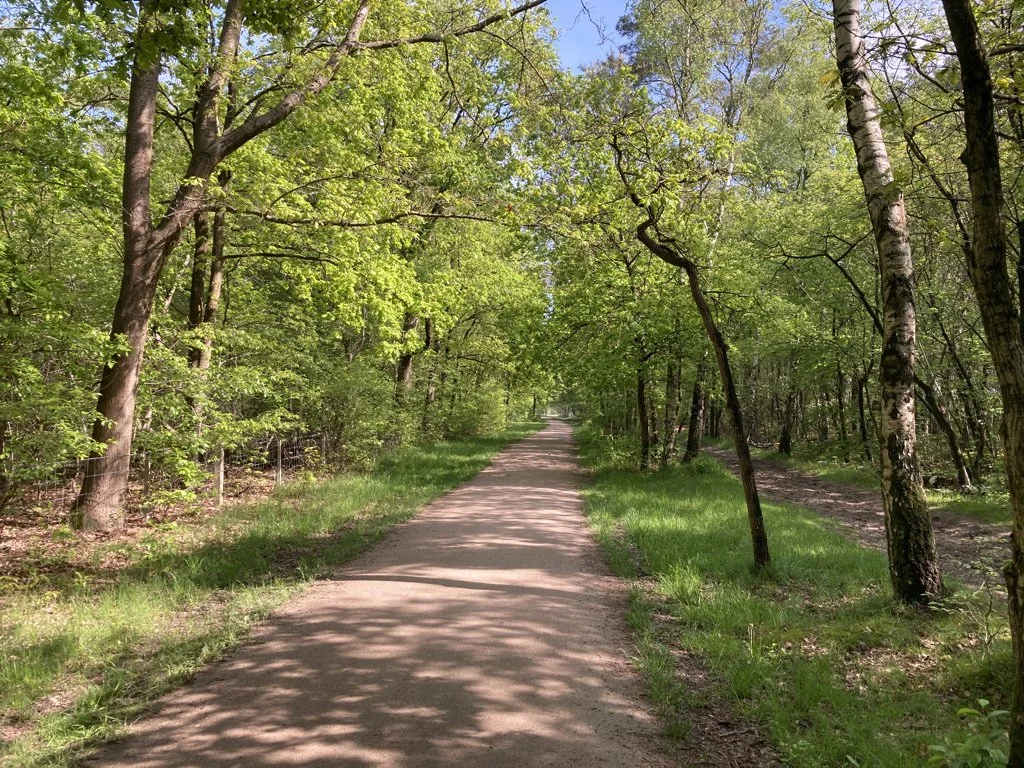
In uncertain times, a strong sense of shared purpose seems to be what keeps teams grounded. How do you help teams clarify and genuinely commit to a goal that sticks?
Well first of all, by asking the team what they need. Often it's about being specific, ensuring it's not just words rather really looking at what behaviours and actions make a difference. My role as a coach is often to encourage the team to dig deeper, to be even more specific and create clarity. Recognising when and how this keeps the team grounded is important, acknowledging and celebrating the continuous success. Again, by being outdoors we can look at things that are totally unrelated but still offer the same lessons and invite shared purpose. Also, by inviting Earth as a stakeholder we are reminded that what we do serves a purpose and there are many who depend on that one action we need to take. This systemic exploration usually makes people braver, kinder and a lot more motivated to take that extra step. Identifying the stakeholders as a team tends to be an enriching and surprising exercise.
You also use nature-based experiences to help teams navigate change. What happens differently when a difficult conversation happens outside, or when teams connect physically with the land or natural world around them?
Without going into research supporting this, when outdoors we become braver and more creative. It's amazing to see people almost change personalities when outdoors, roles are shifted and the dynamic changes. The change in scenery allows us to get inspiration to think differently. When having a difficult conversation outdoors we are often more curious and explore the facts to find a solution, instead of being stuck in our limiting beliefs. That is a very short answer but outdoors we perceive fewer limitations, everything is possible.
And the theme of regenerative leadership? How does a regenerative mindset change the way teams approach problem-solving and their sense of responsibility?
Well to be honest there are still so many definitions of what "regenerative leadership” means but looking at "regenerative” it's about systems that restore themselves or reverse damage and improve health. For me "Regenerative Leadership” means a leadership style that builds a resilient team by allowing it to replenish its reserves continuously. Certain behaviours in leadership and in teams create trust, collaboration and goal achievement and that is what I call Regenerative Leadership.
Your work is often virtual and involves teams globally but you do emphasize starting first with face-to-face connections. How do you balance the global perspective with grounded, place-based work, and what does that teach us about building trust in distributed teams?
I have always coached online, as global teams and leaders are my regular clients. But I totally acknowledge that human face-to-face interaction is powerful, and I do miss it when I have not had the opportunity to work like this for a while. However the physical connection is not always necessary for a grounded coaching engagement using nature. It works well virtually too. You'd be surprised about the value added when using nature in virtual coaching of global teams. Everyone gets to share their part of the world and their reality; the pride and enjoyment that comes from it is amazing, and it offers so much learning. To be honest, already that one introduction exercise will have created increased trust and understanding among members. Our humanity and connection with nature comes through even virtually and when distributed across the world.
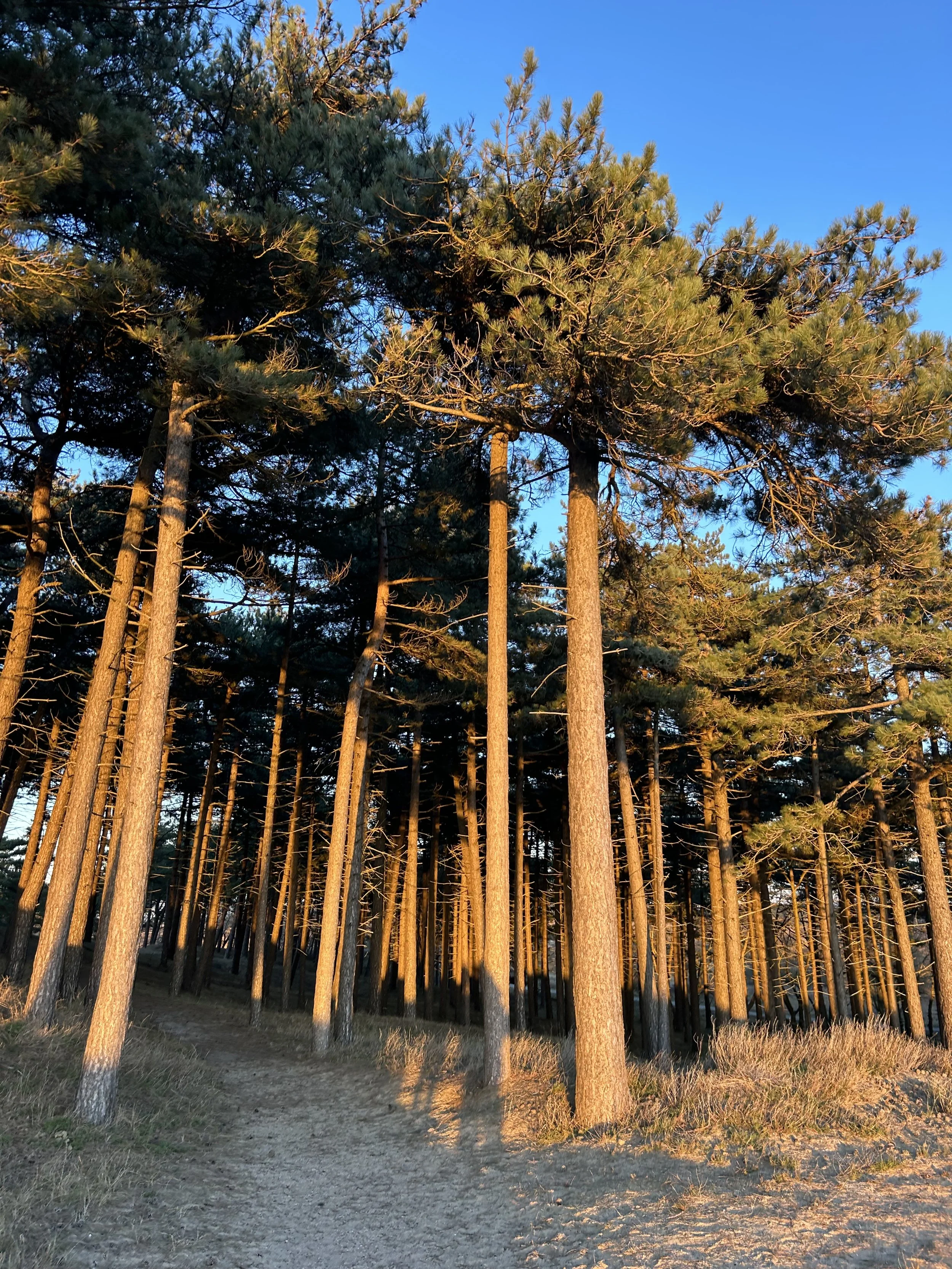
If you could distill your coaching wisdom into a handful of actionable tips for teams navigating change or uncertainty right now, what would they be?
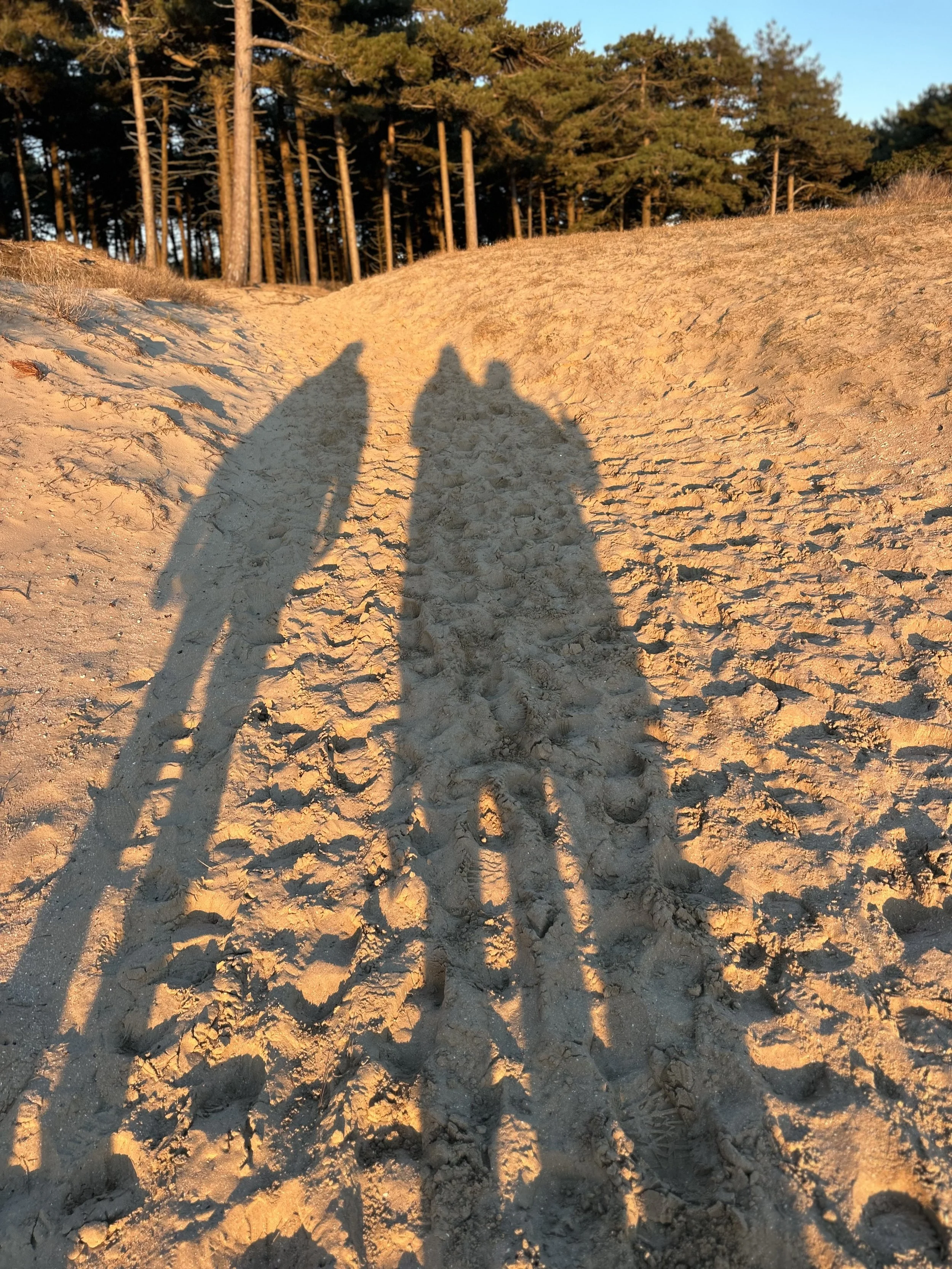
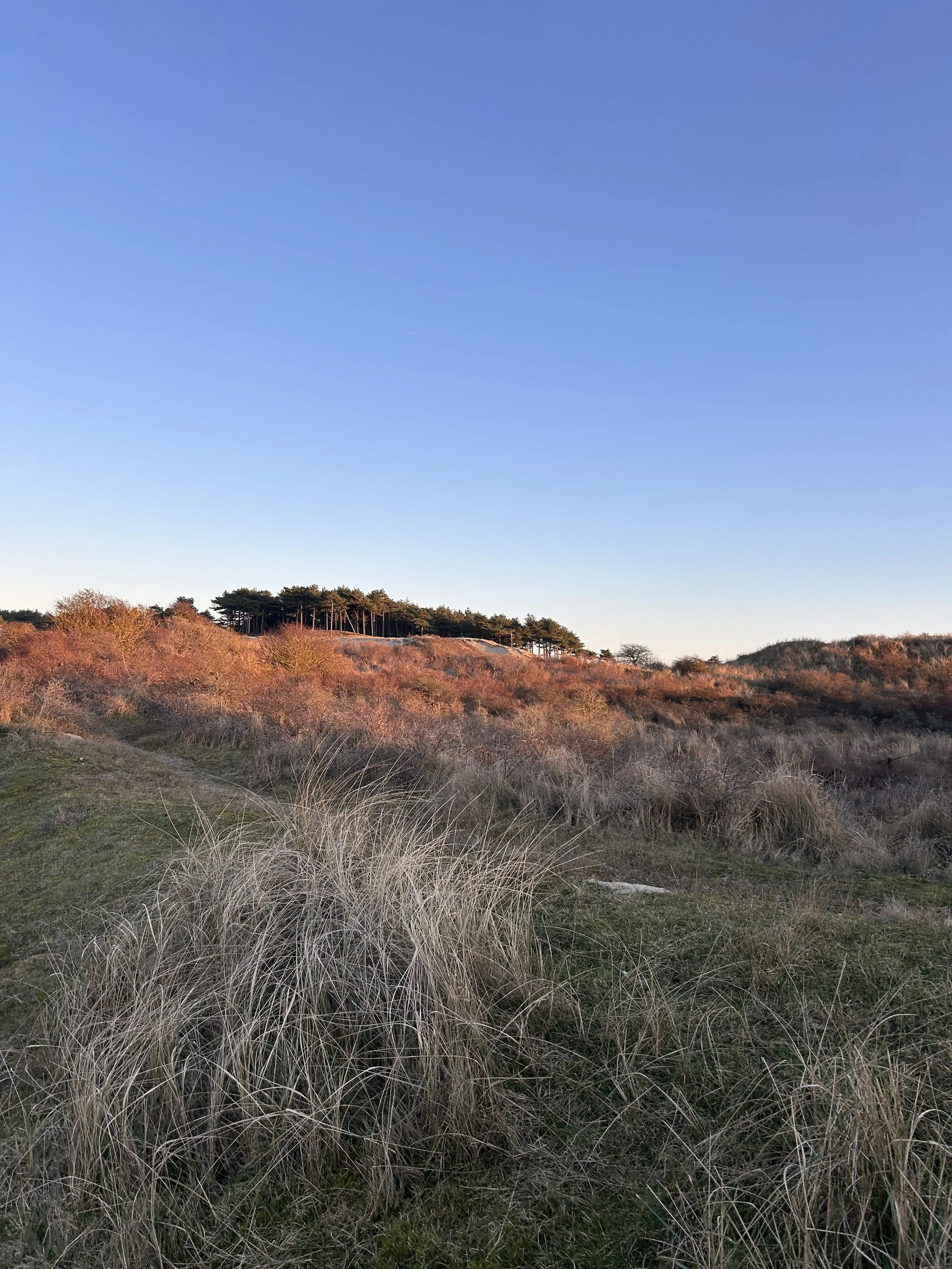
Use nature to ground you. It may take a few extra minutes to walk to a park, roof terrasse or whatever you find in your area but it's an investment worth doing to achieve your goals.
Don't be afraid of the weather, honestly most people end up being braver and more creative in a rainstorm once they have accepted it. It is actually a wonderful way to explore change. I would love to know more about how a desert affects people but I've not had the experience of coaching a team in this habitat yet.
Challenge your thinking by identifying all stakeholders. This can shake things up in a beautiful way.
Believe in the future, change is difficult but it becomes what you make it. Choose to see the opportunity to create positive change.