Building Regenerative Futures in Europe's Last Wildernes: An Interview with Cobana
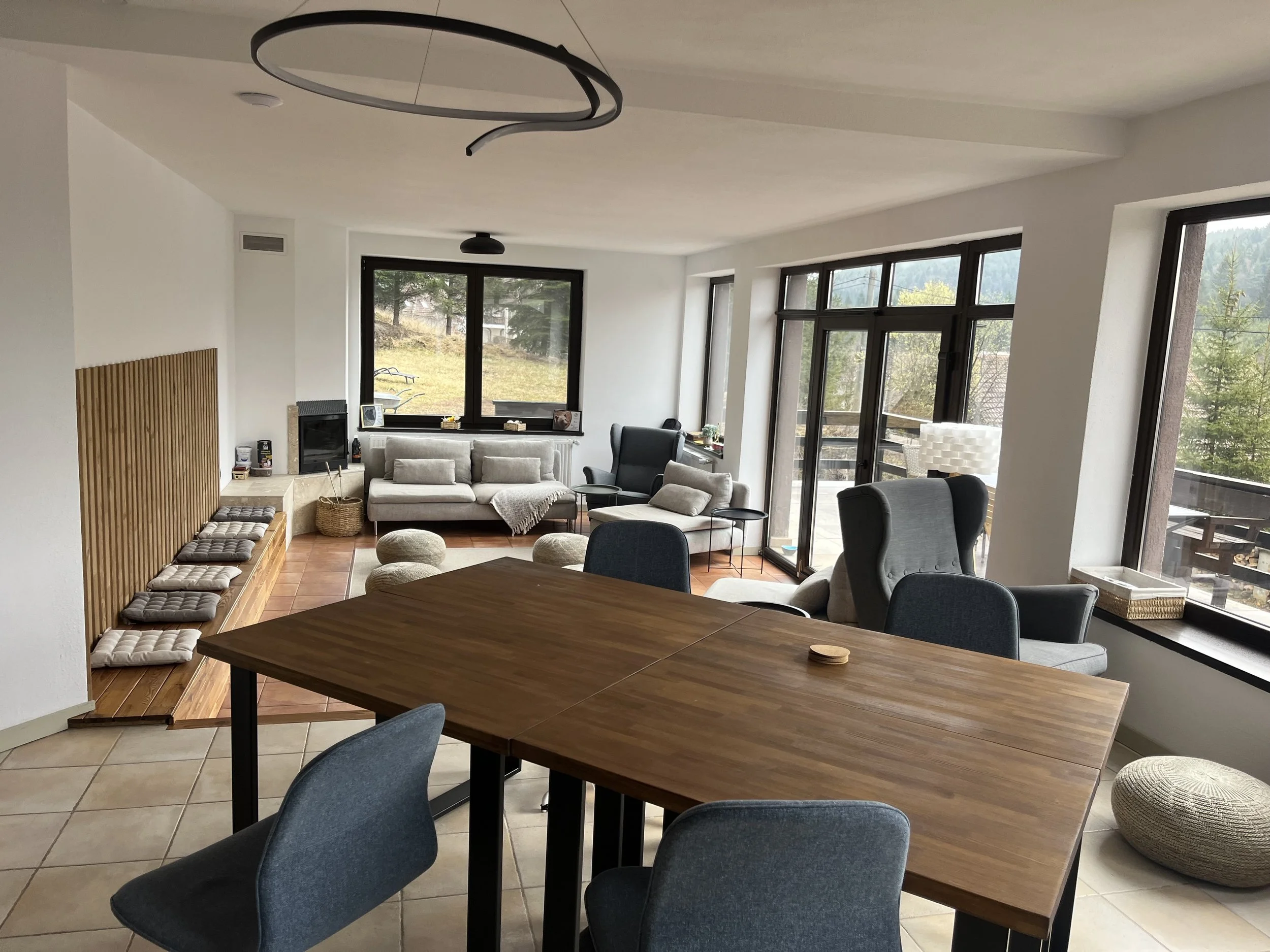
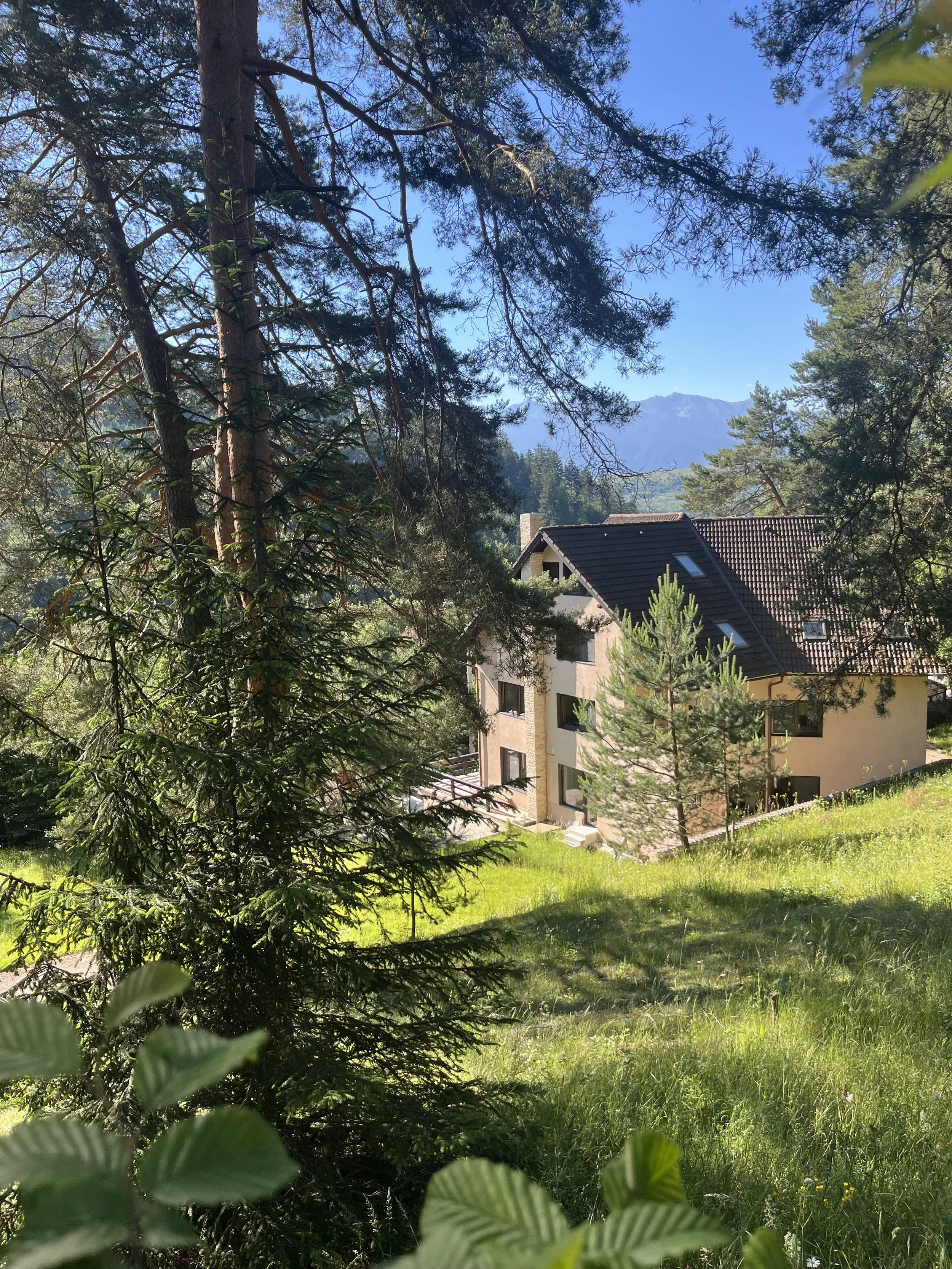
Nestled in the Carpathian Mountains of Transylvania, just steps from one of Europe's last wild landscapes, Cobana is more than a co-living and co-working space. It's a living laboratory for what regenerative futures look like in practice. Located in Zărnești in Brașov County, Romania - and close to Piatra Craiului National Park - Cobana sits at the intersection of untamed wilderness and purposeful innovation. Surrounded by ancient forests and thriving biodiversity, entrepreneurs, researchers, and changemakers have gathered here for a reason. It's not just where they work; it's how they work. Rooted in the region's wild beauty and the wisdom of communities that have lived in rhythm with the land for centuries, they approach problem-solving with a different ethos. They collaborate on everything from Deep Tech and Agrifood solutions to Impact Entrepreneurship, treating the landscape not as a resource to extract from, but as a partner to regenerate alongside.
The space was founded by someone who made an unconventional leap: David de Jong moved from being an airline captain to regenerative futures facilitator. This transition mirrors Cobana's core ethos: a shift from extraction and control toward creating conditions where authentic regeneration can emerge naturally. At the heart of this vision sits ‘Regenerative Futures’, a bioregional movement that weaves together entrepreneurs, leaders, researchers, and land projects to catalyze a regenerative economy and culture across this remarkable region. It's a movement that asks: What if working outdoors, in community, and aligned with land and culture, could become the default? We spoke with David - the founder of Cobana - about what it means to build regenerative futures in one of Europe's last wild places, how nature shapes work and collaboration, and what's next for this growing movement.
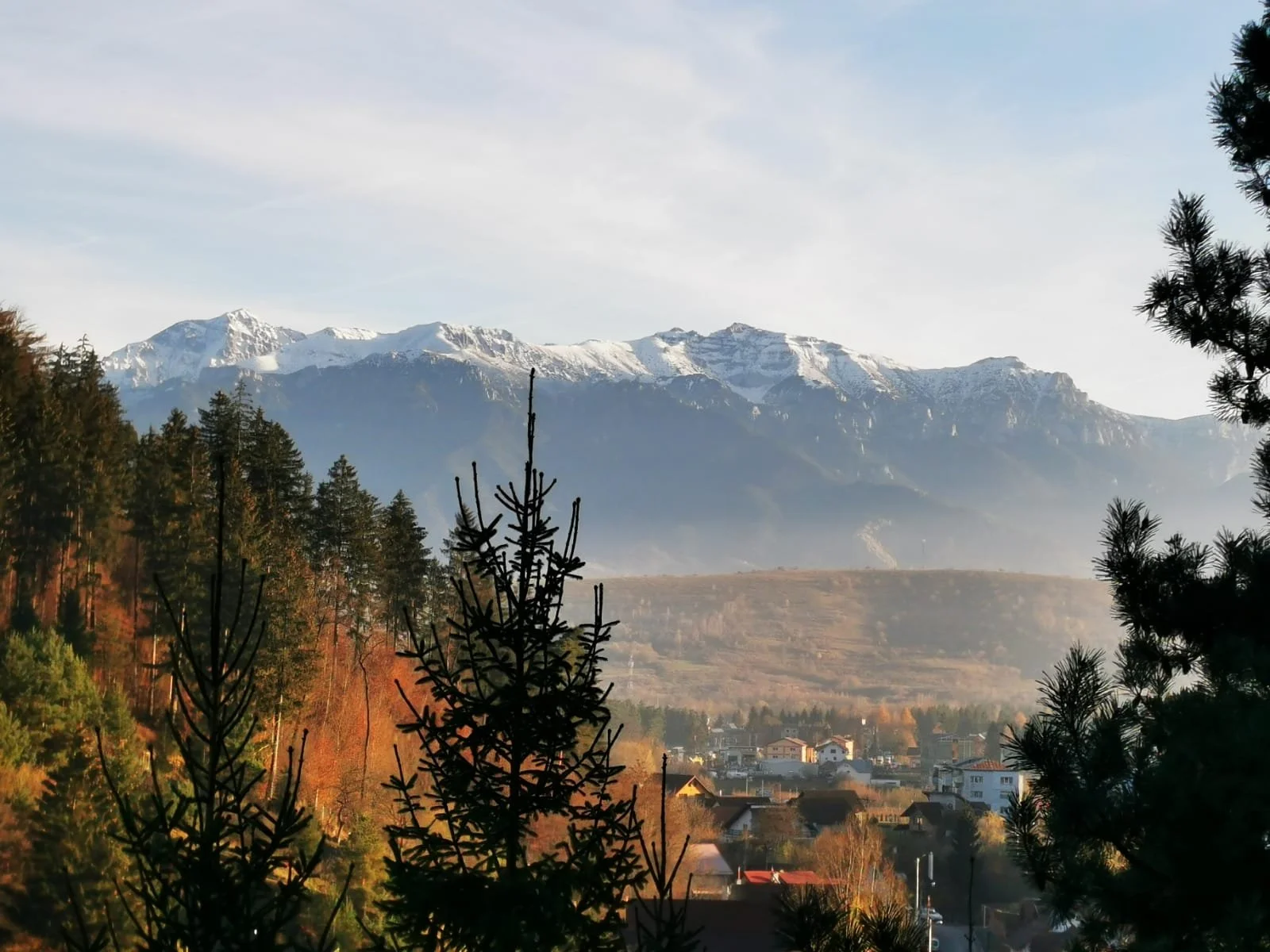
Images: Cobana
You made an extraordinary shift from airline captain to regenerative futures facilitator, and created Cobana in Transylvania. What called you to this region, and how does the wildness of these landscapes shape the way people work and think here?
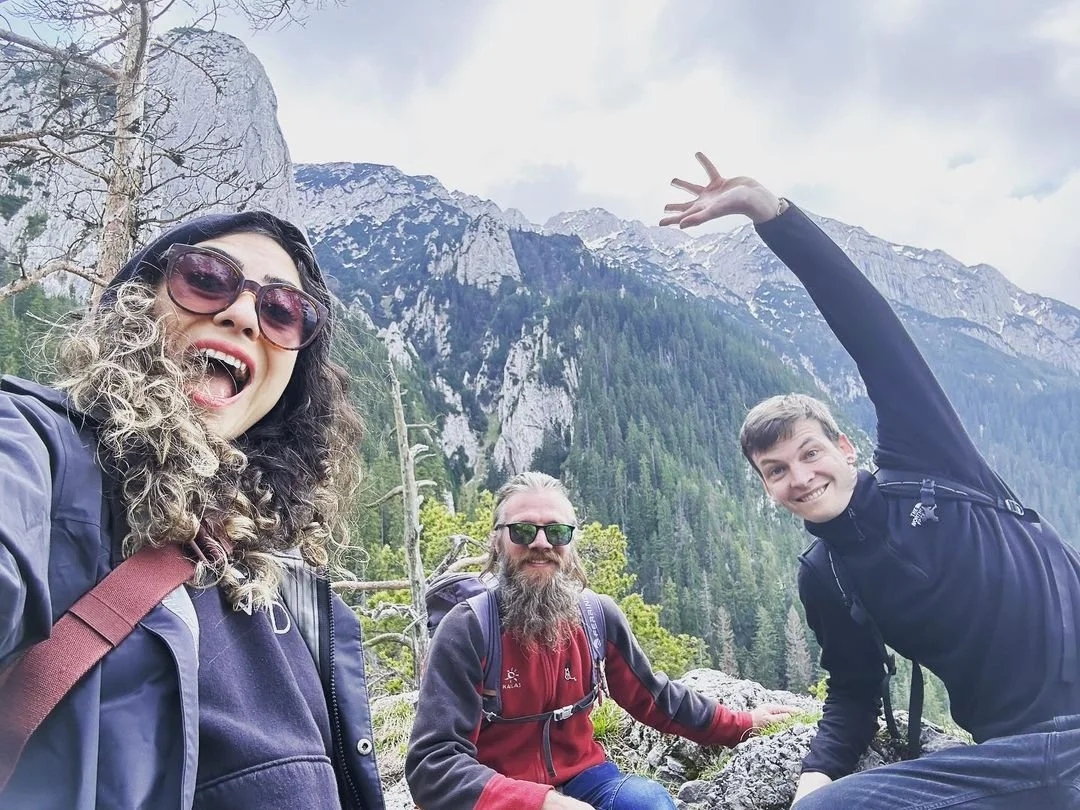
My path to Transylvania began through work while I was based in Bucharest as a pilot. But it was on touring skis with a local guide, deep in the Carpathian backcountry, that something shifted. I've tried to capture it in an article I published on LinkedIn, because it's genuinely difficult to put into words: it was a felt sense of belonging, not just to a landscape, but to a way of being in the world. What struck me most was the quality of co-existence I witnessed between people and nature, between ancient rhythms and modern life. In Romanian villages, this relationship is still alive. People who've grown up in the countryside carry it in their bodies; when they return to the land, they blend in seamlessly. In the cities it fades, but it never fully disappears.
Coming from Holland, this was revelatory. We Dutch have spent centuries in a battle with nature, building dikes, reclaiming land, engineering our way around every obstacle. Nature in that worldview is a resource to be managed, not a partner to be listened to. Here, I encountered something else entirely: a pragmatic, adaptive intelligence shaped by living with nature rather than against it. Romanians don't always need the perfect plan. They will find a way, and there's a deep wisdom in that. It's the same quality I would eventually try to build into Cobana: a space where imperfect, emergent, living solutions are welcomed.
Could you introduce Cobana to the larger #outdooroffice family. And how is regeneration woven into everything Cobana does.
Cobana was born from a simple intention: to create a space in this wilderness so others could experience what I had experienced and build on that. I wanted to explore what would happen if you bring people who are genuinely hungry for connection with nature to a place like this—at the foot of Piatra Craiului, one of Europe's last true wilderness areas—something generative would happen. New connections between global thinkers and local communities. New conversations. New futures.
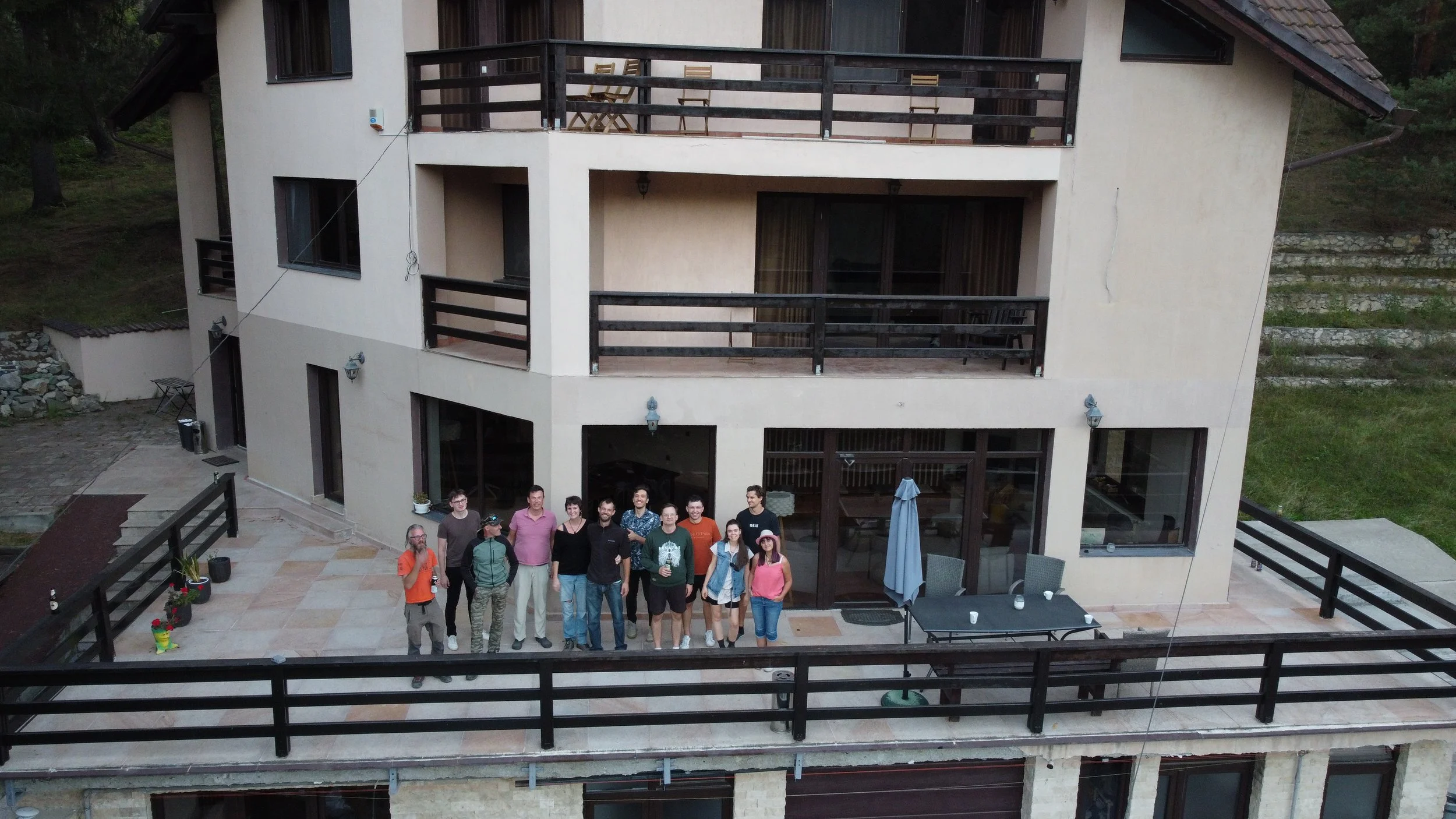
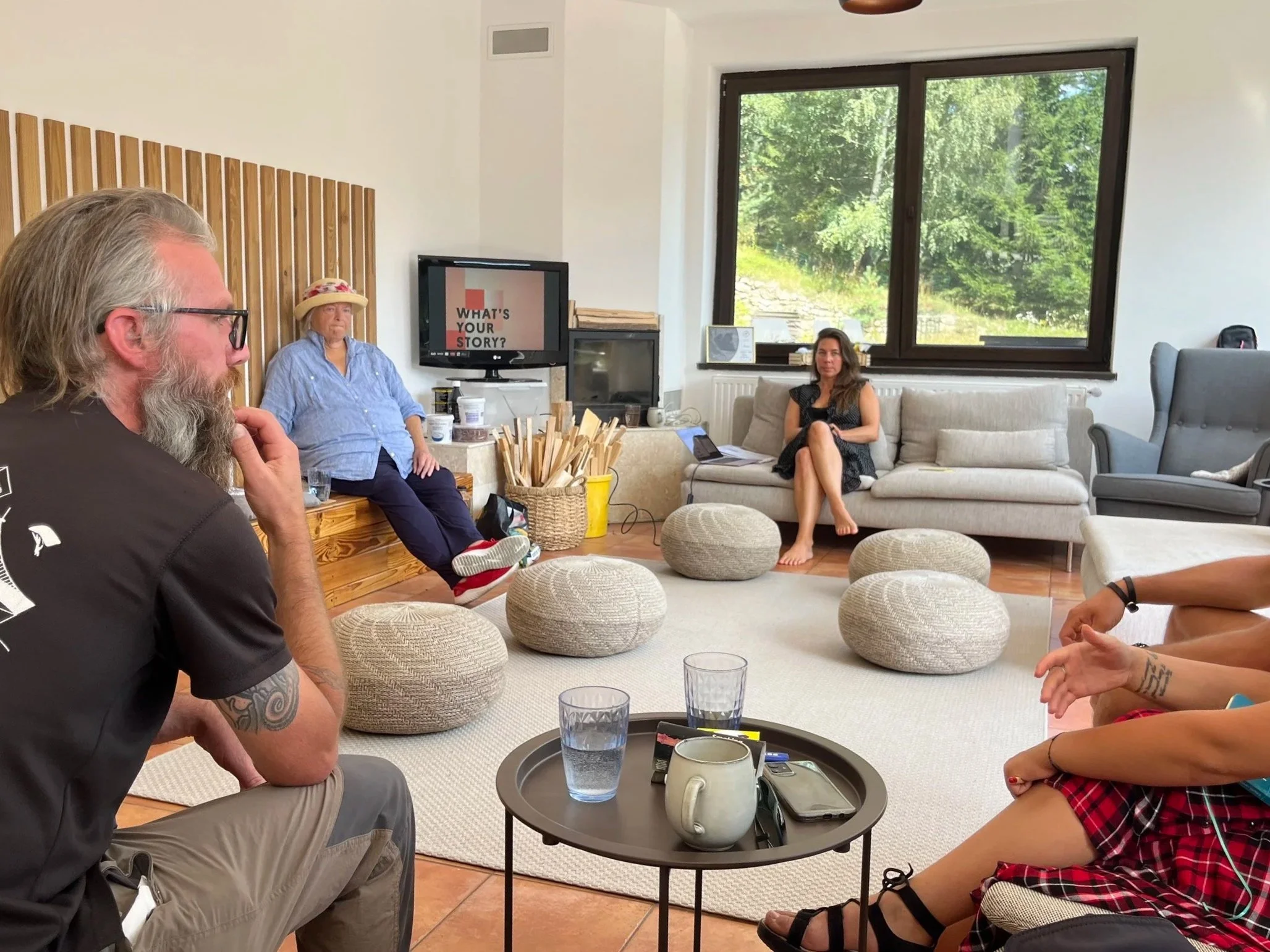
Our slogan has always been about blending global and local futures towards a regenerative future. But we've learned that the path to that vision requires constant learning and adaptation. An early focus on digital nomads, for example, didn't create the depth of local connection we were looking for. So we evolved. Today, Cobana is a living laboratory, a co-living and coworking space that invites groups already engaged in regenerative thinking in their own local contexts to come here, reconnect with place, and think together. Regeneration isn't a programme you bolt onto a building, it's the culture of how people live and work together here. It lives in sharing meals, in stepping outside to walk the forest trail mid-afternoon, in the conversations that happen around the fire after a day of deep work.
You bring together entrepreneurs, researchers, climate experts, and local pioneers. How does a space like Cobana - rooted in a specific place (Transylvania) but connected to global networks - help people move from individual projects to a regenerative movement at a bioregional level?
This is exactly the question we've been designing toward. Our answer is the emergence of a Living Lab for Regenerative Futures, a structured framework in which government, citizens, academics and businesses are represented and find a way to a prospering future together. A Living Lab, in essence, is a real-world testing environment where challenges are explored not in isolation but in the context of actual communities, ecosystems, and economies.
What makes Cobana particularly powerful in this Lab is its location. Zărnești sits at the gateway to Piatra Craiului National Park, surrounded by living agricultural traditions, some of Europe's last primary forests, and communities that still carry the craft knowledge and ecological wisdom of centuries. That's not a backdrop - it's a collaborator. We're currently developing this Living Lab structure that brings together entrepreneurs, farmers, artisans, cultural practitioners, research institutions, and innovation networks, all oriented around four pillars: regenerative agriculture and agroecology, community-based tourism, the revival of traditional crafts and bioeconomy, and technology-enabled innovation. We are actively pursuing EU funding to accelerate this architecture. The ambition is that projects and ideas emerging from this community don't just stay conversations - they get incubated, connected to markets and partners, and scaled across the bioregion.