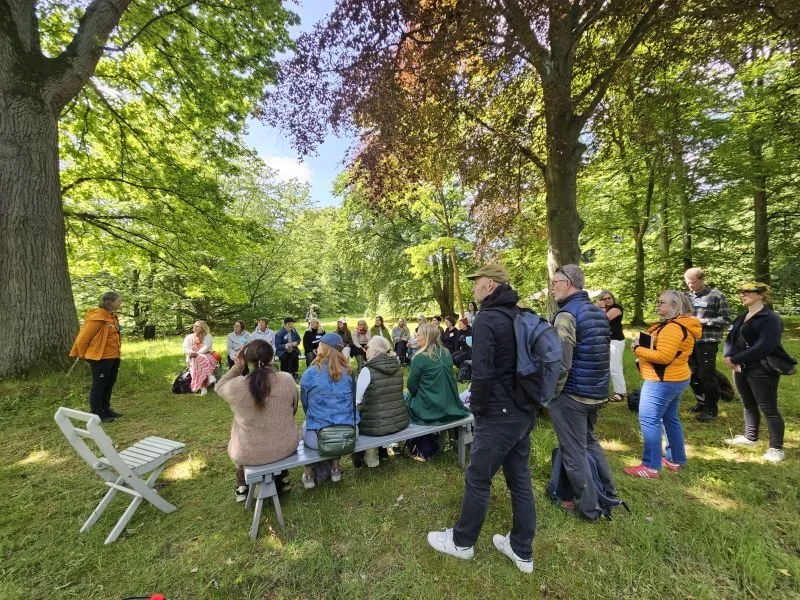
The Power of Nature: A Conversation with Regitze Siggaard on Wellbeing, Work, and the Outdoors
In a world where our workdays are increasingly digital and indoor, Danish wellbeing advocate Regitze Siggaard is reminding us to reconnect — with ourselves, with one another, and with nature. Through her work with Aktivo and initiatives like Outdoor Office Week, Regitze explores how we can build healthier, more human workplaces by bringing the outside in — or better yet, taking our work outdoors. We sat down with Regitze to talk about why nature matters for mental health, her vision for a thriving workforce, and how even small changes in our routines can make a big difference.
The Power of Nature
“Nature offers a break from digital stimuli, noise and fresh air. It grounds us, makes us move, reduces stress, and restores our mental capacity.” For Regitze Siggaard, the outdoors isn’t just a place to unwind — it’s an essential ingredient for balance, clarity, and creativity. “Nature boosts divergent thinking, sharpens attention, and makes it easier to be present in our communication,” she explains. “Teams often feel more connected and energized when they bring work tasks outdoors.” Even small steps can have a big impact. “Stand a moment on the doorstep and open the door for fresh air — it recharges the brain,” she suggests. “It’s easy to bring meetings or calls outside if you make routes and outdoor spots easy to find.”
A Vision for a Healthy Workforce. At Aktivo, Regitze and her team work at the intersection of leadership, wellbeing, and human connection. So what does a healthy workforce look like today?
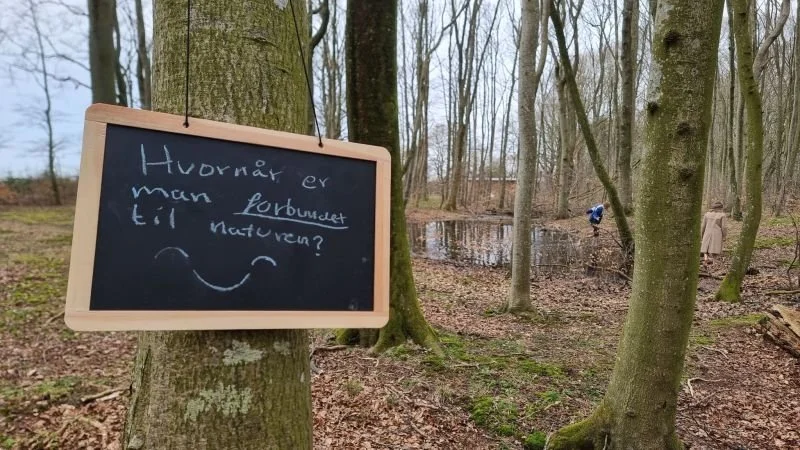
Image: Outdoor Office Work
“It’s one where people feel they can speak up and are meaningfully connected — both to their work and to each other.” She adds that it’s also about autonomy and influence. “Employees should be able to impact deadlines, tasks, and transformations — in a culture that values both mental and physical wellbeing.” While mental health is finally a strategic focus in many organizations, Regitze sees the need for deeper integration. “There’s more openness and support,” she notes, “but stigma and lack of implementation into daily work still persist.” For lasting change, companies need consistent, top-level commitment — not just good intentions. And when it comes to pace, she offers a simple reminder: “Leaders need to model reflection, prioritize deep work over constant urgency, and create time and space for learning, recovery, and meaningful dialogue.”
Outdoor Office Week: When Work Meets Fresh Air
The seed for Outdoor Office Week grew from Regitze’s long-standing work on reducing stress and strain in the workplace. “It started with a personal interest in solving the problems with work-related stress and pain that I’ve worked with for the last 20 years,” she says. A Danish research study confirmed her intuition: working outdoors significantly improved mental and physical health in five companies. “The results were so convincing that my partner and I decided to make it easy for companies to join in — and that’s how National Outdoor Office Week began.” Today, the initiative has blossomed into a volunteer-led movement in Denmark — and a proud part of the global shift toward healthier, more creative ways of working.
“We’re lucky to be part of a global movement encouraging healthier and more creative work by going outdoors.”
“We’re lucky to be part of a global movement encouraging healthier and more creative work by going outdoors.” The reactions from first-time participants are often striking. “There’s surprise, joy, and increased engagement,” Regitze recalls. “People report more energy, better focus, improved mood, and stronger collaboration.”
Her advice to anyone curious about trying it? “Just do it — start small. Try one meeting outside. Involve your team, share the experience, and build from there.

Looking Ahead
As hybrid and flexible work models continue to evolve, Regitze believes leaders must intentionally design for wellbeing. “Managers need the competence to motivate, drive engagement, and deliver results — even when teams work remotely,” she explains. “That means prioritizing autonomy, opportunities to recharge the brain, and purpose-driven collaboration — without too many meaningless meetings. She also sees nature as central to the future of sustainable work. “There’s a growing regenerative approach in business, and nature is central to that. It offers space for restoration, innovation, and a sustainable working life.”
And what gives her hope? The next generation. “Their openness, courage, and desire for a sustainable life. They value authenticity and are redefining success with purpose and wellbeing at the core.” For Regitze, nature isn’t a theory — it’s a daily ritual. “I need fresh air during my workday to achieve results,” she says. “I always make phone calls on the go, and twice a day I take short walks to gather my thoughts — even on busy days.” When she needs a deeper reset, she turns to the forest near her home. “It always changes and gives me inspiration,” she shares. “And when I’m on the road as a consultant, I try to stop by the sea or a lake — even for a few moments — to reset my mind.”
Regitze Siggaard reminds us that wellbeing doesn’t depend on grand gestures — it begins with small, intentional choices: stepping outside, feeling the air, and noticing the ground beneath our feet. In her world, the office doesn’t need four walls, and productivity begins with presence. Through Aktivo and Outdoor Office Week, she continues to show that when we reconnect with nature, we also reconnect with ourselves — and that’s where truly sustainable working life begins. Keep also an eye on June 11th: together with various partners, #OutdoorOfficeDay will take place in 2026 also in Denmark.